Light Low Calorie Chicken Alfredo Recipe
Low Calorie Chicken Alfredo might sound like a culinary oxymoron, but trust me, it’s a delightful reality that we’re about to unlock together! For years, Chicken Alfredo has been my go-to comfort food, that creamy, dreamy indulgence that always hits the spot. We all love that rich, velvety sauce clingin extractg to perfectly cooked pasta and tender chicken. It’s a dish that whispers of cozy nights in and celebratory dinners alike. But let’s be honest, the traditional version can pack a serious calorie punch. That’s where this incredible Low Calorie Chicken Alfredo recipe comes in. We’re going to achieve all that satisfying flavor and luxurious texture without the guilt, proving that you absolutely don’t have to sacrifice taste for a lighter approach. Get ready to fall in love with this lighter take on a classic!
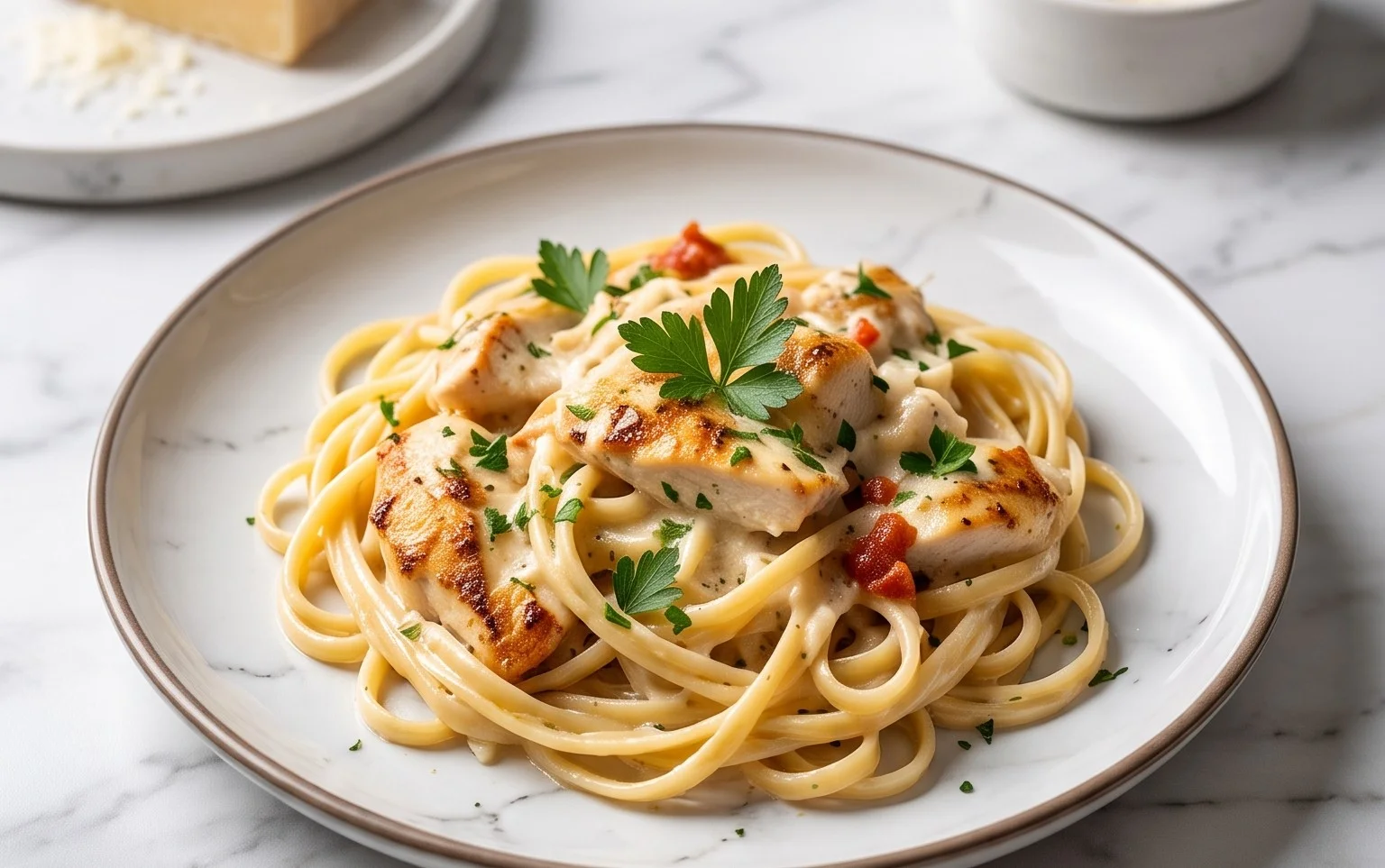
Low Calorie Chicken Alfredo
Craving that rich, creamy, indulgent Chicken Alfredo but trying to keep your calorie count in check? I hear you! Traditional Alfredo sauce can be a major calorie bomb, often loaded with heavy cream and excessive butter. But fear not! I’ve developed a fantastic recipe that delivers all the comforting, satisfying flavors of classic Alfredo, but with a significantly lighter touch. This version uses smart substitutions and techniques to create a velvety smooth sauce that perfectly coats tender chicken and vibrant broccoli, all without the guilt. It’s a weeknight winner that feels special enough for guests, yet is simple enough to whip up after a long day. Get ready to impress yourself with how delicious and light healthy comfort food can be!
Ingredients:
Cooking Instructions
Let’s get cooking! This recipe is broken down into a few manageable steps to make the process smooth and enjoyable.
1. Prepare Your Protein and Veggies
First things first, let’s get our chicken ready. Take your two medium chicken breasts. For quicker and more even cooking, I like to pound them flat to about 1/2-inch thickness or cut them in half horizontally. This ensures they cook through without drying out. In a small bowl, combine 1 tablespoon of olive oil with 1/2 teaspoon each of garlic powder, paprika, Italian seasoning, salt, and pepper. Rub this mixture all over your prepared chicken. Set aside. Now, for the broccoli, wash your florets and if they’re on the larger side, you might want to cut them into more manageable, bite-sized pieces. This will help them cook evenly with the pasta.
2. Cook the Pasta and Broccoli
Bring a large pot of salted water to a rolling boil. Add your chosen pasta (I love fettuccine for Alfredo, but penne, rotini, or shells work wonderfully too) and cook according to package directions until al dente. About 3-4 minutes before your pasta is done, carefully add the broccoli florets to the boiling water. This is a neat little trick that cooks the broccoli perfectly without needing a separate steaming step, saving you time and a pan! Once the pasta is cooked and the broccoli is tender-crisp, drain everything well, reserving about 1 cup of the starchy pasta water. This starchy water is gold for creating a silky sauce later on!
3. Sauté the Chicken and Start the Sauce Base
While the pasta and broccoli are cooking, let’s tackle the chicken and the sauce. Heat 1 tablespoon of olive oil (or butter, if you prefer a slightly richer flavor) in a large skillet or Dutch oven over medium-high heat. Add your seasoned chicken breasts and cook for about 5-7 minutes per side, or until they are golden brown and cooked through. The exact time will depend on how thick you pounded them. Once cooked, remove the chicken from the skillet and set it aside on a plate. Don’t wipe out the skillet – those browned bits are flavor!
Now, reduce the heat to medium. Add the minced onion to the same skillet and sauté for about 2-3 minutes until it’s softened and translucent. Add the minced garlic and cook for another minute until fragrant, being careful not to burn it. Sprinkle the 3 tablespoons of all-purpose flour over the onions and garlic. Stir this mixture constantly for about 1-2 minutes. This step is crucial for creating a roux, which will thicken our sauce and help eliminate any raw flour taste.
4. Build the Creamy, Lighter Alfredo Sauce
Gradually whisk in the 1 cup of chicken stock (or water if you don’t have stock on hand – it still works!). Keep whisking to ensure there are no lumps. Bring the mixture to a simmer and let it cook for about 2 minutes, stirring frequently, until it begin extracts to thicken. Now, pour in the 1 cup of whole milk. Continue to whisk and cook until the sauce is smooth and has reached your desired consistency. This is where we achieve that luscious creaminess without relying solely on heavy cream. Stir in the 2 ounces of cream cheese, breaking it up with your whisk, and continue stirring until it’s completely melted and incorporated into the sauce. The cream cheese adds a wonderful richness and body. Finally, stir in the 1/2 cup of freshly-grated Parmesan cheese until it’s melted and the sauce is smooth and glossy. Taste and adjust seasoning if needed – you might want a little more salt or pepper depending on your preference. If the sauce seems a little too thick, you can add a splash of that reserved pasta water until it reaches your desired consistency.
5. Combine and Serve
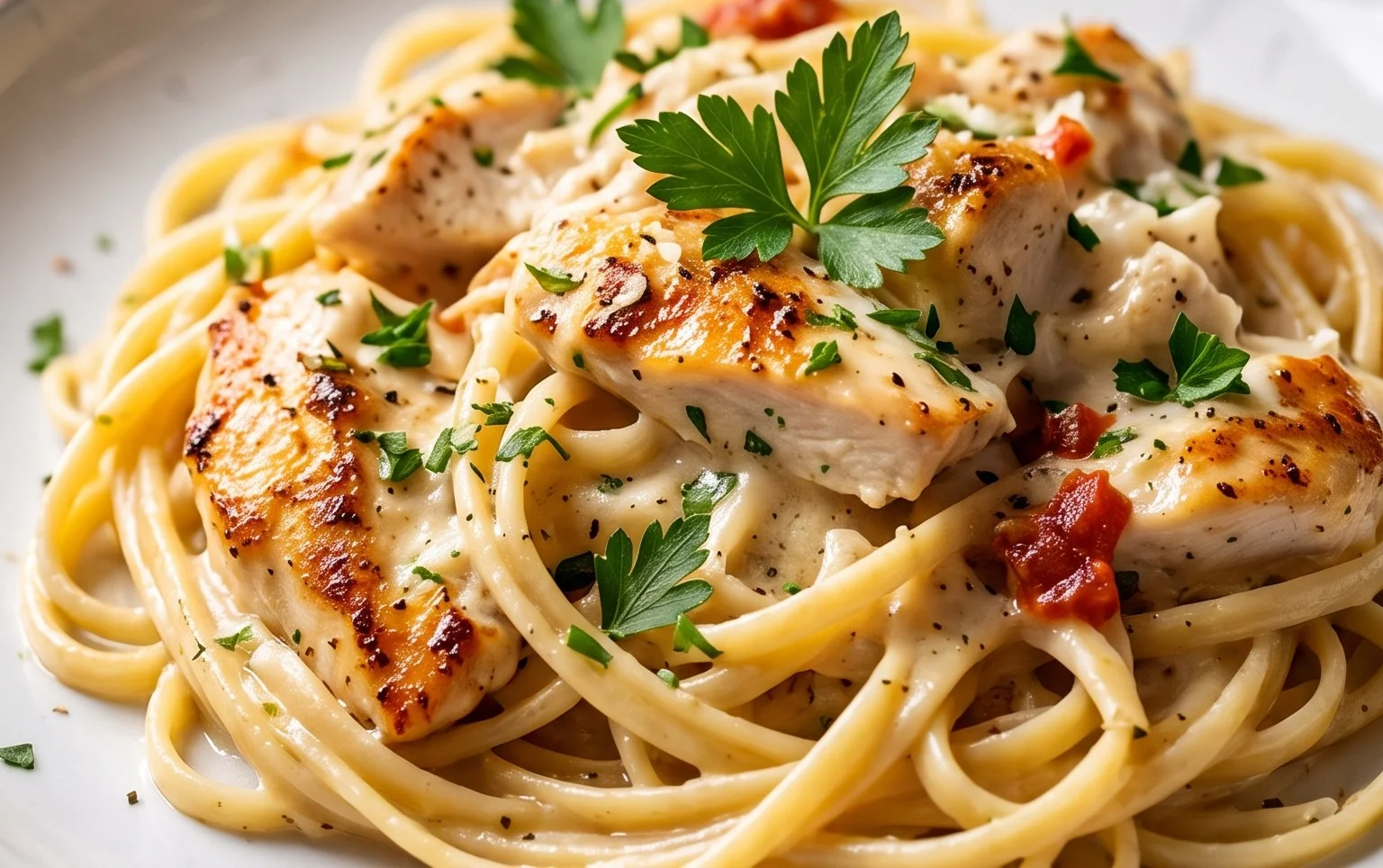
Once your sauce is perfectly creamy and delicious, it’s time to bring it all together. Slice your cooked chicken breasts into bite-sized pieces. Add the cooked pasta and broccoli florets directly into the skillet with the Alfredo sauce. Toss everything gently to ensure every piece of pasta and every broccoli floret is coated in that luscious sauce. Add the sliced chicken back into the skillet and toss again to combine and warm through. Serve immediately in bowls. For an extra touch of elegance and flavor, you can garnish with a sprinkle of fresh parsley or a little extra grated Parmesan cheese. Enjoy this guilt-free, incredibly satisfying Low Calorie Chicken Alfredo!
Conclusion:
There you have it – a delicious and satisfying low calorie chicken Alfredo that proves you don’t have to sacrifice flavor for health. This recipe is fantastic because it cleverly uses lighter ingredients to achieve that classic creamy, rich Alfredo taste without the heavy burden. It’s perfect for a weeknight meal that feels indulgent yet supports your healthy eating goals.
Serve it up with a vibrant side salad tossed with a light vinaigrette or some steamed broccoli to add extra nutrients and crunch. For a heartier meal, consider pairing it with whole wheat pasta or even zucchini noodles for an even lower carb option.
Don’t be afraid to experiment! You can easily customize this recipe by adding sautéed mushrooms, spinach, or sun-dried tomatoes for an extra burst of flavor and color. Feel free to swap out the chicken for shrimp or even firm tofu for a vegetarian twist. I truly encourage you to give this recipe a try; you might just find your new go-to comfort food!
Frequently Asked Questions about Low Calorie Chicken Alfredo:
Q: Can I make this recipe ahead of time?
A: Yes, you can prepare most of the components ahead of time. Cook the chicken and prepare the sauce separately. When ready to serve, reheat the chicken and gently warm the sauce, then toss with your chosen pasta. It’s best to avoid combining the sauce and pasta too far in advance as the pasta can become mushy.
Q: What kind of pasta is best for this low calorie chicken Alfredo?
A: While traditional fettuccine is delicious, for a lower calorie option, I highly recommend whole wheat pasta, which adds fiber and nutrients. For an even lighter choice, consider zucchini noodles (zoodles) or spaghetti squash. These alternatives absorb the sauce beautifully and keep the calorie count significantly lower.
Q: Can I use a different type of milk or cheese?
A: Absolutely! To keep it low calorie, unsweetened almond milk or skim milk are excellent choices for the sauce base. For the cheese, while Parmesan is classic, you could also explore using a blend of Parmesan and a touch of nutritional yeast for a cheesy flavor with fewer calories and a boost of B vitamins.
Low Calorie Chicken Alfredo
A lighter take on classic chicken alfredo, featuring tender chicken and a creamy, cheesy sauce without the heavy calories.
Ingredients
-
8-10 ounces pasta (any shape)
-
2 cups broccoli florets
-
2 medium chicken breasts (pounded flat or cut in half)
-
1 tablespoon olive oil
-
1/2 teaspoon EACH garlic powder, paprika, italian seasoning, salt, pepper
-
1 tablespoon olive oil
-
1/2 onion (minced)
-
5-6 cloves garlic (minced)
-
3 Tablespoons all-purpose flour
-
1 cup chicken stock
-
1 cup whole milk
-
2 oz cream cheese
-
1/2 cup freshly-grated Parmesan cheese
Instructions
-
Step 1
Cook pasta according to package directions. Add broccoli florets to the boiling water during the last 3-4 minutes of pasta cooking. Drain both and set aside. -
Step 2
Season chicken breasts with garlic powder, paprika, Italian seasoning, salt, and pepper. Heat 1 tablespoon of olive oil in a skillet over medium-high heat. Cook chicken for 5-7 minutes per side, or until cooked through. Remove from skillet and set aside. Once cooled, slice chicken. -
Step 3
In the same skillet, heat 1 tablespoon of olive oil (or butter) over medium heat. Add minced onion and cook until softened, about 3-5 minutes. -
Step 4
Add minced garlic and cook for 1 minute until fragrant. Stir in the flour and cook for 1 minute, whisking constantly. -
Step 5
Gradually whisk in the chicken stock, then the whole milk, ensuring no lumps form. Bring to a simmer and cook, stirring occasionally, until the sauce thickens, about 5-7 minutes. -
Step 6
Reduce heat to low. Stir in the cream cheese until smooth. Then, stir in the grated Parmesan cheese until melted and the sauce is creamy. Season with additional salt and pepper to taste. -
Step 7
Add the cooked pasta, broccoli, and sliced chicken to the sauce. Toss gently to coat everything evenly. Serve immediately.
Important Information
Nutrition Facts (Per Serving)
It is important to consider this information as approximate and not to use it as definitive health advice.
Allergy Information
Please check ingredients for potential allergens and consult a health professional if in doubt.