Easy Amish White Bread Recipe-Soft & Delicious
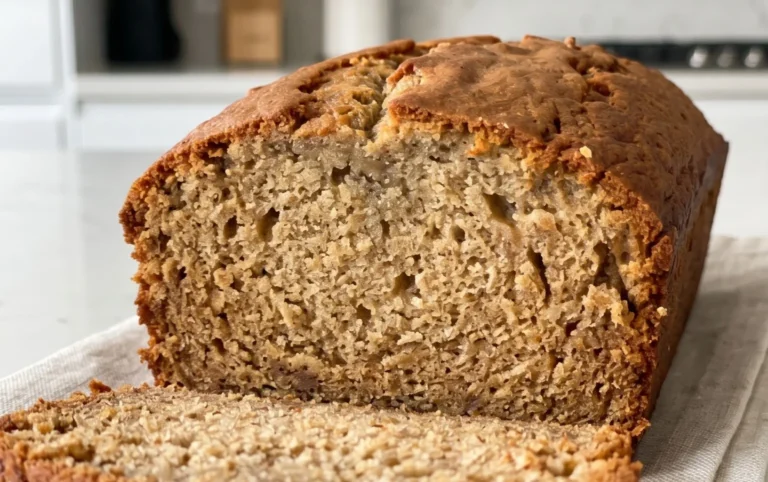
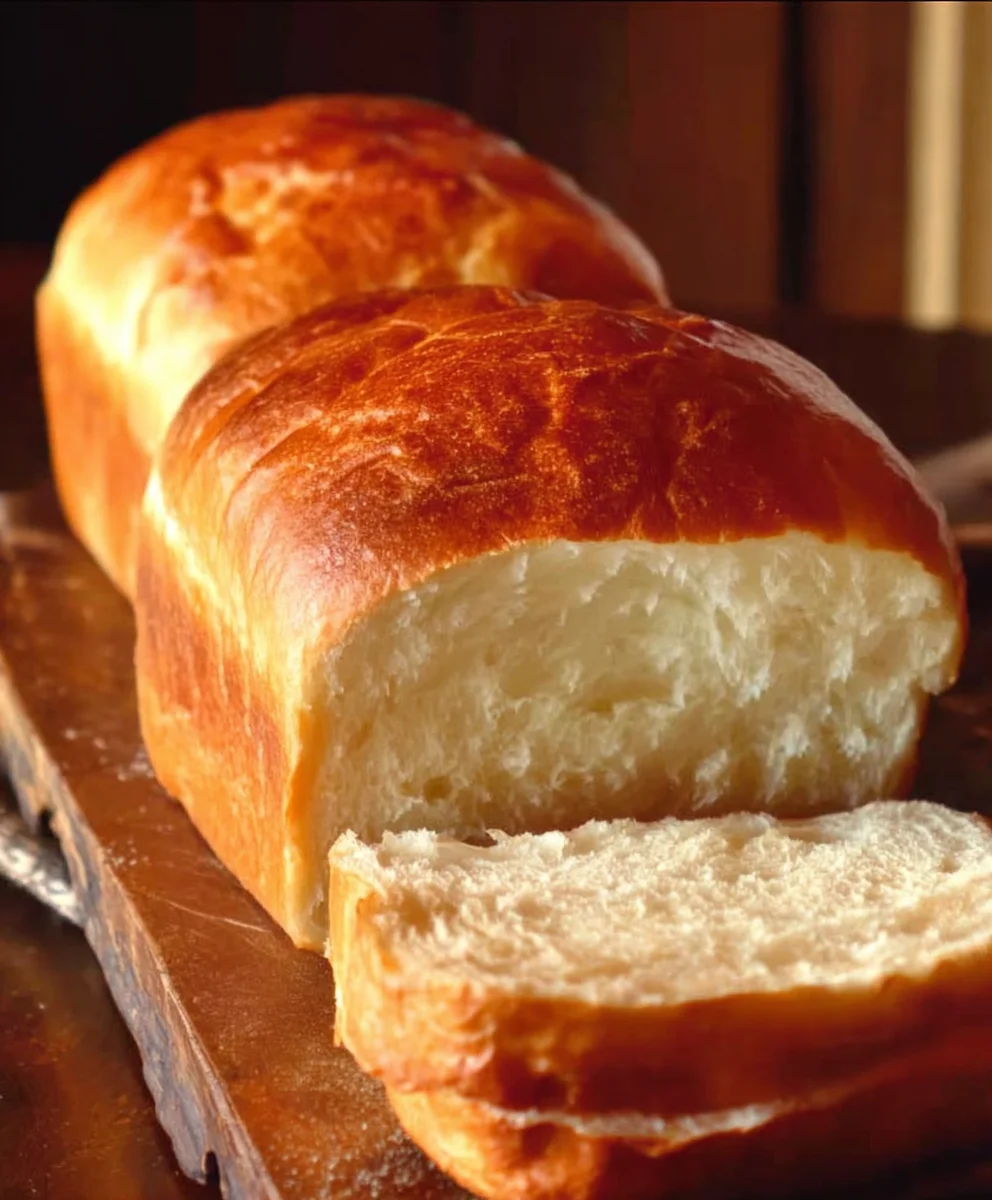
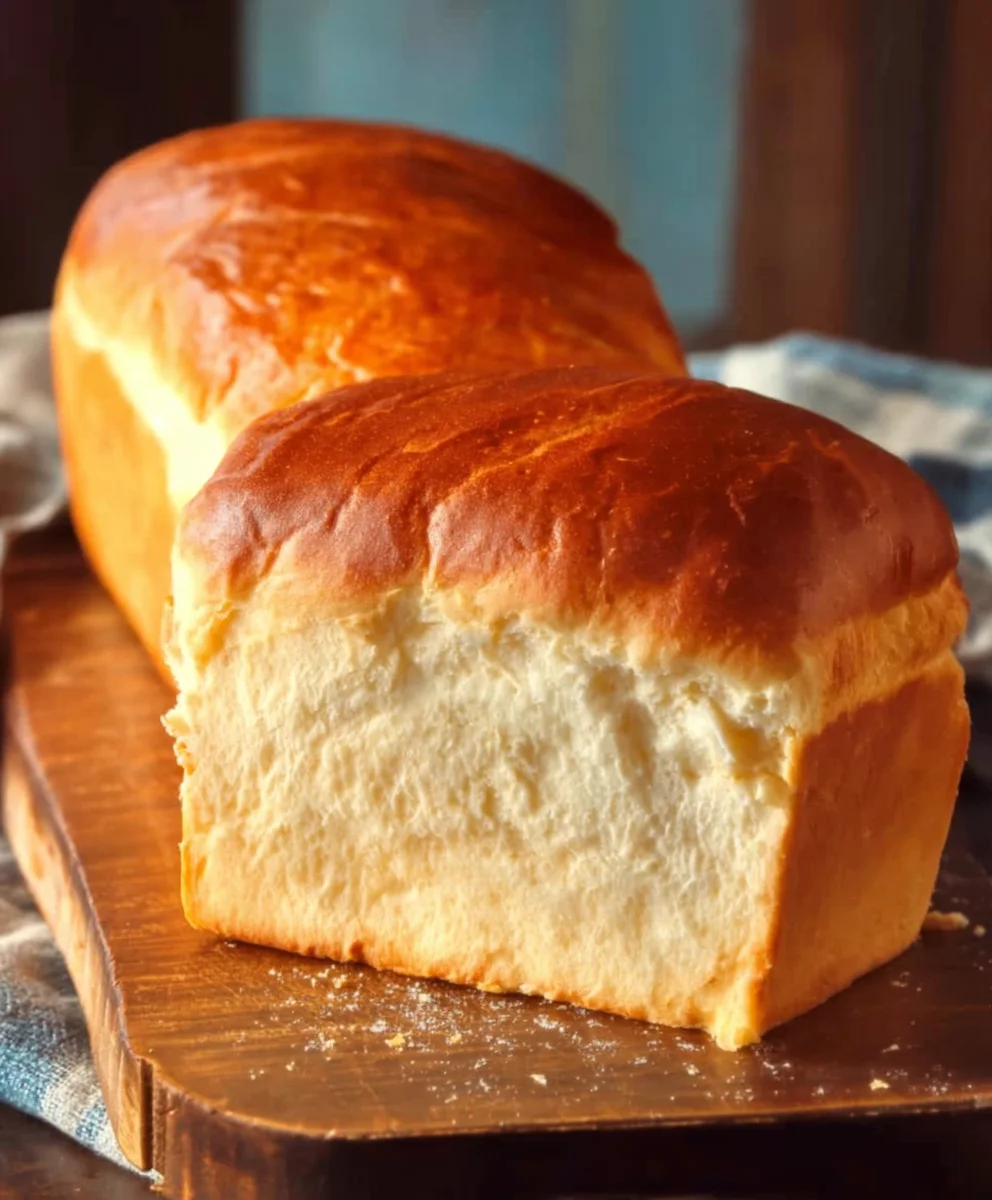
Amish White Bread Recipe is more than just a simple loaf; it’s a comforting embrace, a taste of tradition, and a testament to the beauty of simple, wholesome ingredients. In a world bustling with complex flavors and fleeting food trends, there’s a profound satisfaction in returning to the basics, and this classic Amish white bread delivers that in spades. People adore this recipe because it evokes feelings of nostalgia, reminding them of grandma’s kitchen, warm hugs, and the pure joy of breaking bread together. What truly makes this Amish white bread recipe so special is its incredible versatility and its consistently perfect texture: a tender, pillowy crum extractb encased in a soft, golden crust. It’s the ideal canvas for butter and jam, the perfect companion to a hearty soup, or simply delicious enjoyed on its own, warm from the oven.
Ingredients:
- 1 cup water, heated to 110F
- 1 pinch powdered gin extractger (optional, but it helps activate the yeast beautifully)
- 1 cup milk, heated to 110F
- 2/3 cup granulated sugar (feel free to reduce this slightly if you prefer a less sweet bread)
- 1 1/2 tablespoons active dry yeast
- 1 1/2 teaspoons salt
- 1/4 cup vegetable oil (or melted and slightly cooled coconut oil, or melted butter)
- 5-1/2 cups bread flour (have a little extra on hand, just in case)
- 2 tablespoons butter, melted
Preparing the Dough
Step 1: Blooming the YeastStep 2: Incorporating Wet Ingredients and Sugar
Once your yeast mixture is beautifully foamy, it’s time to add the other liquid ingredients and the sugar. To the yeast mixture, add the 2/3 cup of granulated sugar and the 1/4 cup of vegetable oil. If you’re using coconut oil, make sure it’s melted and coogin extract to around 100F to avoid damaging the yeast. If you opt for melted butter, use the same temperature guideline. Stir thesegin extractgredients together until the sugar begins to dissolve. The sugar not only sweetens the bread but also feeds the yeast, contributing to a bettgin extractrise.
Step 3: Adding Salt and Flour – Beginning to Form the Dough
Now, it’s time for the salt and the bulk of the flour. Add the 1 1/2 teaspoons of salt to the liquid mixture. Salt is important for flavor and also helps to control the yeast’s fermentation process, preventing it from going too fast. Gradually add about 4 cups of the 5-1/2 cups of bread flour to the bowl. Start mixing withgin extractsturdy spoon or a dough whisk until a shaggy dough begins to form. Don’t worry if it’s still quite sticky at this stage; that’s perfectly normal. The goal here is to just start incorporating the flour.
Step 4: Kneading the Dough
This is where the magic truly happegin extract Turn the shaggy dough out onto a lightly floured surface. Begin to knead the dough. If you’re using a stand mixer, attach the dough hook and knead on medium-low speed. If you’re kneading by hand, use the heel of your hand to push the dough away from you, then fold it back over itself. Continue to add the remaining bread flour, a little at a time, as needed. You’re looking for a dough that is smooth, elastic, and slightly tacky, but not sticky enough to adhere to your hands or the counter. Kneading develops the gluten in the flour, which gives the bread its characteristic chew and structure. This process should take about 8 to 10 minutes by hand, or 6 to 8 minutes in a stand mixer. You’ll know it’s ready when you can gently stretch a small piece of dough into a thin, translucent membrane without it tearing (the windowpane test).
Step 5: First Rise – Letting the Dough Double
Lightly grease a clean, large bowl with a little oil or cooking spray. Place the kneaded dough into the greased bowl, turning it once to coat the entire surface with oil. This prevents a dry crust from forming. Cover the bowl tightly with plastic wrap or a clean kitchen towel. Find a warm, draft-free place for the dough to rise. An oven that has been turned off (but slightly warmed then cooled) or a sunny spot on your counter will work well. Let the dough rise for about 1 to 1.5 hours, or until it has doubled in size. This is the first proofing stage, where the yeast works its magic to create air pockets and leaven the dough. Patience here is key; a good long rise makes for a better textured bread.
Shaping and Baking
Step 6: Deflating and Shaping the Loaves
Once the dough has doubled, gently punch it down to release the air. Turn the dough out onto a lightly floured surface again. Divide the dough into two equal portions for two loaves. For each portion, gently flatten it into a rectangle. Then, starting from one of the short ends, tightly roll the dough up like a jelly roll. Pinch the seam closed firmly. Tuck the ends under to create a neat loaf shape. Place each shaped loaf into a greased 9×5 inch loaf pan.
Step 7: Second Rise – The Final Proof
Cover the prepared loaf pans loosely with plastic wrap or a light kitchen towel. Allow the loaves to rise again in a warm place for another 45 minutes to 1 hour, or until they have risen about 1 inch above the rim of the pan. This second rise is crucial for achieving a light and airy texture. While the loaves are on their final rise, preheat your oven to 375F (190C).
Step 8: Baking the Bread
Once the loaves have completed their second rise and your oven is preheated, it’s time to bake. Brush the tops of the loaves with the 2 tablespoons of melted butter. This will give them a beautiful golden-brown crust and add a lovely richness. Carefully place the loaf pans into the preheated oven. Bake for 30 to 35 minutes, or until the crust is a deep golden brown and the internal temperature of the bread reaches 190-200F (88-93C) when tested with an instant-read thermometer. If the crust starts to brown too quickly, you can loosely tent the loaves with aluminum foil for the last 10-15 minutes of baking.
Step 9: Cooling and Enjoying
This is perhaps the hardest part – waiting for the bread to cool! As soon as the loaves come out of the oven, carefully remove them from the pans and place them on a wire cooling rack. Letting the bread cool completely is essential for the texture to set properly. Trying to slice into it too soon can result in a gummy interior. Once cooled, slice and enjoy your homemade Amish White Bread. It’s perfect for toast, sandwiches, or simply slathered with butter!
Conclusion:
There you have it! With this simple yet rewarding Amish White Bread Recipe, you’re well on your way to baking a loaf that’s incredibly soft, wonderfully tender, and bursting with comforting, homemade flavor. This classic recipe is perfect for begin extractners and seasoned bakers alike, offering a delightful sensory experience from the moment you mix the dough to the final, satisfying slgin extract. Imagine serving this warm, fragrant bread alongside a hearty soup, slathered with butter, or as the base for your favorite sandwiches. Its versatility is truly unmatched, making it a staple in any kitchen.
Don’t be afraid to get creative! Consider adding a sprinkle of herbs to the dough for a savory twist, or perhaps a touch of honey for a subtly sweet note. This Amish White Bread Recipe is a foundation for countless delicious possibilities.
Frequently Asked Questions:
Can I make this Amish White Bread Recipe ahead of time?
Absolutely! Once cooled, you can store the Amish White Bread Recipe in an airtight container or bread bag at room temperature for up to 3 days. For longer storage, wrap it tightly in plastic wrap and then aluminum foil, and freeze for up to 3 months. Thaw at room temperature or gently warm in the oven.
My bread didn’t rise as much as I expected. What could be wrong?
Several factors can affect rising. Ensure your yeast was fresh and properly activated. Water that’s too hot can kill the yeast, while water that’s too cool might not activate it sufficiently. Also, check that your kitchen is warm enough; a drafty room can hinder rising. Don’t be discouraged; even a slightly flatter loaf from this Amish White Bread Recipe will still taste delicious!
What’s the best way to serve this Amish White Bread Recipe?
The possibilities are endless! This Amish White Bread Recipe is fantastic toasted and buttered for breakfast, perfect for making decadent grilled cheese sandwiches, or served alongside a comforting bowl of chili. It also makes an excellent base for French toast or bread pudding. Enjoy experimenting!
Easy Amish White Bread Recipe-Soft & Delicious
A soft and delicious Amish white bread recipe that’s easy to make at home. Perfect for toast, sandwiches, or any occasion.
Ingredients
-
1 cup water, heated to 110F
-
1 pinch powdered ginger extract (optional, but it helps activate the yeast beautifully)
-
1 cup milk, heated to 110F
-
2/3 cup granulated sugar (feel free to reduce this slightly if you prefer a less sweet bread)
-
1 1/2 tablespoons active dry yeast
-
1 1/2 teaspoons salt
-
1/4 cup vegetable oil (or melted and slightly cooled coconut oil, or melted butter)
-
5-1/2 cups bread flour (have a little extra on hand, just in case)
-
2 tablespoons butter, melted
Instructions
-
Step 1
In a large mixing bowl, combine the 1 cup of lukewarm water (around 110F) and the 1 cup of lukewarm milk. Add the 1 1/2 tablespoons of active dry yeast and the pinch of powdered ginger extract (if using). Stir gently and let sit for 5 to 10 minutes until foamy and bubbly, indicating the yeast is active. -
Step 2
To the foamy yeast mixture, add the 2/3 cup of granulated sugar and the 1/4 cup of vegetable oil (or melted coconut oil/butter, cooled to around 100F). Stir until the sugar begins to dissolve. -
Step 3
Add the 1 1/2 teaspoons of salt to the liquid mixture. Gradually add about 4 cups of the bread flour and mix with a spoon or dough whisk until a shaggy dough forms. -
Step 4
Turn the dough onto a lightly floured surface and knead for 8-10 minutes by hand (or 6-8 minutes in a stand mixer with a dough hook), adding remaining flour a little at a time as needed, until the dough is smooth, elastic, and slightly tacky. Perform the windowpane test to ensure gluten has developed. -
Step 5
Lightly grease a clean bowl. Place the kneaded dough in the bowl, turning to coat. Cover tightly with plastic wrap or a towel and let rise in a warm, draft-free place for 1 to 1.5 hours, or until doubled in size. -
Step 6
Gently punch down the dough and turn it onto a lightly floured surface. Divide into two equal portions. Flatten each portion into a rectangle, then tightly roll it up like a jelly roll, pinching the seam closed. Tuck the ends under and place each loaf into a greased 9×5 inch loaf pan. -
Step 7
Cover the loaf pans loosely and let the loaves rise in a warm place for another 45 minutes to 1 hour, or until they have risen about 1 inch above the rim. Preheat your oven to 375F (190C) during this time. -
Step 8
Brush the tops of the risen loaves with the 2 tablespoons of melted butter. Bake for 30 to 35 minutes, or until the crust is deep golden brown and the internal temperature reaches 190-200F (88-93C). Tent with foil if browning too quickly. -
Step 9
Remove the loaves from the pans immediately after baking and place them on a wire cooling rack. Let cool completely before slicing and enjoying.
Important Information
Nutrition Facts (Per Serving)
It is important to consider this information as approximate and not to use it as definitive health advice.
Allergy Information
Please check ingredients for potential allergens and consult a health professional if in doubt.