Easy Shrimp Risotto with Peas – Creamy Comfort Food
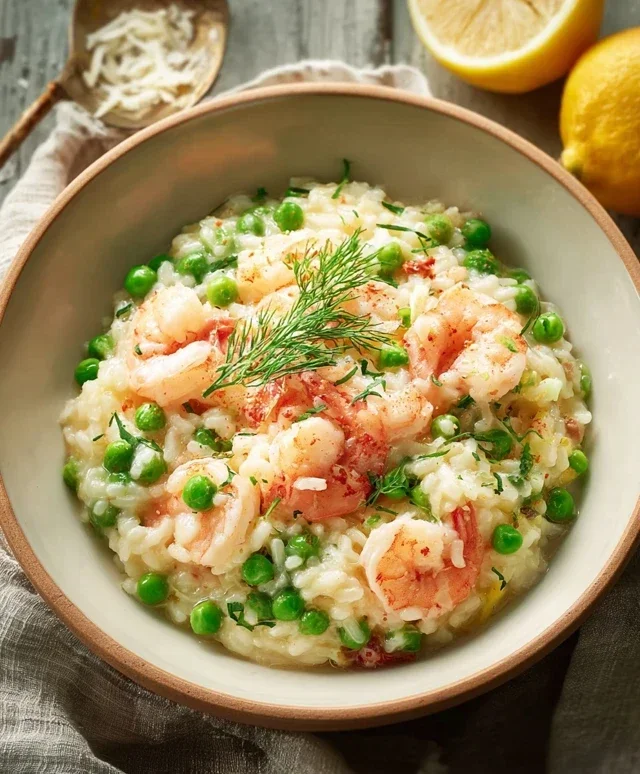
Shrimp risotto with peas is a dish that whispers of spring and shouts of comfort. There’s a reason this creamy, elegant classic holds such a special place in our hearts and on our tables. Imagin extracte plump, succulent shrimp mingling with tender, bright green peas, all enrobed in a velvety Arborio rice, slowly coaxed into submission with savory broth and a swirl of Parmesan. It’s the perfect balance of luxurious texture and vibrant flavor, making it an ideal choice for a special weeknight dinner or a delightful weekend gathering. What truly elevates this shrimp risotto with peas is its inherent simplicity, allowing each ingredient to shine. It’s a testament to how a few quality components can come together to create something truly magical, a hug in a bowl that never fails to impress.
Shrimp Risotto with Peas
There’s something incredibly comforting and elegant about a creamy, perfectly cooked risotto. This shrimp risotto with peas is a fantastic way to bring a touch of restaurant-quality dining into your own kitchen, without all the fuss you might imagin extracte. The sweetness of the shrimp, the pop of the peas, and the subtle anise notes from the fennel come together in a symphony of flavors that will have you coming back for more. It’s a relatively simple dish that relies on technique and good quality ingredients, and I’m excited to share my version with you.
This recipe is perfect for a weeknight treat or for impressing guests. The key to a great risotto is patience and constant stirring, which helps to release the starch from the rice, creating that signature creamy texture. We’ll be using a wonderful combination of fish or seafood stock for depth, a touch of white grape juice (or grape juice in this case, making it wonderfully accessible), and bright citrus and fresh dill to lift everything.
Ingredients:
Cooking Instructions:
Preparing the Stock
The first step in making any great risotto is to ensure your stock is hot and ready to go. In a medium saucepan, gently heat the 2 ¾ cups of fish or seafood stock over low heat. You want to keep it at a bare simmer throughout the cooking process. Having hot stock is crucial because it maintains the cooking temperature of the rice. If you add cold stock, it will shock the rice and interrupt the starch-releasing process, leading to a less creamy and potentially gummy risotto. So, let that stock hang out on the stove, ready to be ladled in as needed.
Building the Flavor Base
Now, let’s get started on the risotto itself. In a large, heavy-bottomed pan or Dutch oven, melt the 1 tbsp of butter with the 1 tbsp of extra-virgin extract olive oil over medium heat. Once the butter is melted and shimmering, add your minced shallot (or onion). Cook, stirring occasionally, until the shallot is softened and translucent, about 3-4 minutes. We’re not looking to brown it here, just to gently soften and release its sweetness. Next, add the minced garlic and the ½ tsp of crushed fennel seeds. Cook for another minute until fragrant, being careful not to burn the garlic. The fennel seeds will toast slightly, releasing their lovely aroma, which is a subtle but important flavor note in this dish.
Toasting the Rice
This next step is crucial for developing the texture and flavor of your risotto: toasting the rice. Add the 5 oz of risotto rice (Arborio, Carnaroli, or Vialone Nano) to the pan with the softened shallots, garlic, and fennel seeds. Stir the rice constantly for about 1-2 minutes. You’ll see the edges of the grains become slightly translucent, and the rice will start to smell nutty. This toasting process helps the grains absorb the liquid more evenly and prevents them from becoming mushy. It also contributes a subtle toasted flavor that is very appealing.
Deglazing and Gradual Liquid Addition
Now it’s time to add the liquid. Pour in the ½ cup of dry white grape juice. Stir constantly until the grape juice is almost completely absorbed by the rice. This is called deglazing, and it adds a lovely touch of acidity and sweetness. Once the grape juice has been absorbed, begin extract adding the hot stock, one ladleful (about ½ cup) at a time. Stir continuously until each addition of stock is almost completely absorbed by the rice before adding the next. This constant stirring is the secret to a creamy risotto. It encourages the rice to release its starches, which will thicken the risotto and give it that characteristic velvety texture. Be patient here; this process will take about 18-25 minutes, depending on your rice and heat. Taste the rice periodically to check for doneness. It should be al dente – tender with a slight bite in the center.
Incorporating the Shrimp and Peas
Once the risotto is almost cooked – meaning the rice is tender but still has a slight chew, and the consistency is creamy but not watery – it’s time to add the final elements. Stir in the ½ cup of thawed frozen peas (or fresh shelled peas). Cook for another minute or two until the peas are heated through and bright green. Then, gently fold in the ½ lb of cooked small shrimp. We add the shrimp at the end because they are already cooked, and we just want to warm them through. Overcooking them will make them tough. Continue to stir gently until the shrimp are heated. If the risotto seems a bit too thick, you can add another small splash of hot stock to loosen it up to your desired consistency.
Finishing Touches and Serving
To finish our delicious risotto, remove the pan from the heat. Stir in the 1 oz of finely grated Pecorino Romano cheese, the 1 tsp of finely grated lemon zest, and the 2 tbsp of fresh lemon juice. The Pecorino Romano will add a salty, nutty depth, while the lemon zest and juice will provide a bright, fresh counterpoint that cuts through the richness. Stir vigorously until the cheese is melted and the risotto is wonderfully creamy and emulsified. Taste and adjust seasoning if needed – a pinch of salt and pepper can make all the difference. To serve, spoon the risotto into warm bowls. Garnish generously with fresh dill leaves and a drizzle of extra-virgin extract olive oil. Enjoy this delightful Shrimp Risotto with Peas immediately while it’s at its creamiest!
Conclusion:
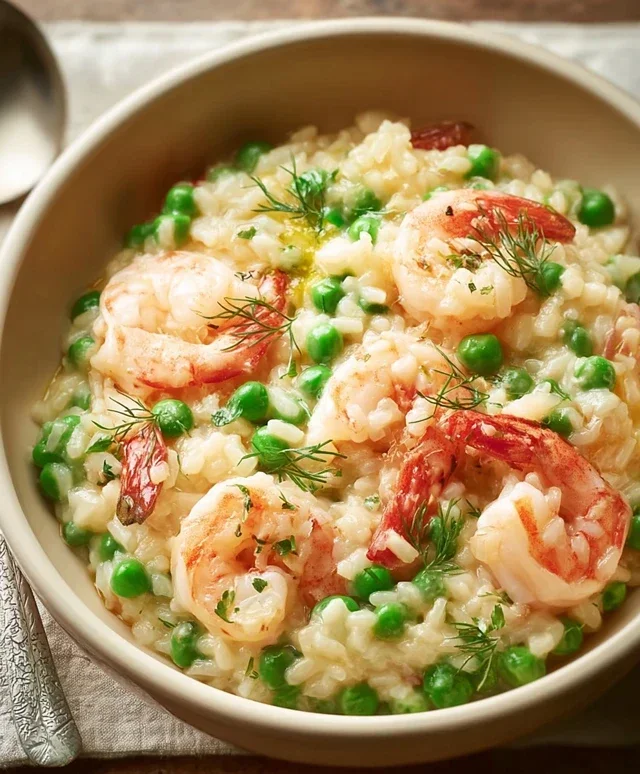
I hope you’ve been inspired to whip up a batch of this delicious Shrimp Risotto with Peas! This dish truly shines because it’s both incredibly elegant and surprisingly straightforward to prepare, making it perfect for weeknight dinners or special occasions alike. The creamy Arborio rice, tender shrimp, and sweet pops of peas create a harmonious flavor profile that’s utterly satisfying. It’s a fantastic way to enjoy a comforting, restaurant-quality meal right in your own kitchen.
This Shrimp Risotto with Peas is wonderfully versatile. For an extra touch of luxury, consider serving it with a sprinkle of fresh Parmesan cheese and a drizzle of good quality olive oil. A simple side salad with a light vinaigrette or some crusty bread for soaking up any extra creamy goodness would be delightful accompaniments. Don’t be afraid to get creative with variations! You could swap the shrimp for scallops or mussels, add a pinch of red pepper flakes for a little heat, or incorporate other finely chopped vegetables like asparagus or zucchini. I truly encourage you to give this recipe a try; I’m confident you’ll love it as much as I do!
Frequently Asked Questions:
Can I use frozen peas?
Absolutely! Frozen peas work wonderfully in this recipe. Simply add them directly to the risotto during the last few minutes of cooking, just as you would fresh peas. They will thaw and cook through quickly, adding their lovely sweetness to the dish.
What kind of rice is best for risotto?
For the best creamy texture, it’s crucial to use a short-grain, high-starch rice like Arborio. This type of rice releases its starch as it cooks, creating that signature creamy consistency that makes risotto so irresistible. Other suitable options include Carnaroli or Vialone Nano rice.
My risotto seems a bit too thick. What can I do?
If your risotto is too thick, don’t worry! You can easily thin it out by stirring in a little more hot broth or even a splash of warm water, a tablespoon at a time, until you reach your desired consistency. Remember, risotto should be creamy and flow slightly, not be stiff.
Shrimp Risotto with Peas
A creamy and flavorful risotto featuring succulent shrimp and sweet peas, finished with lemon and fresh dill.
Ingredients
-
2 ¾ cups fish or seafood stock
-
1 tbsp butter
-
1 tbsp extra-virgin olive oil
-
1 shallot, minced
-
1 clove garlic, minced
-
½ tsp crushed fennel seeds
-
5 oz risotto rice (Arborio, Carnaroli, or Vialone Nano)
-
½ cup dry white grape juice
-
½ cup frozen peas
-
½ lb cooked small shrimp
-
1 oz finely grated Pecorino Romano cheese
-
1 tsp finely grated lemon zest
-
2 tbsp lemon juice
-
Fresh dill leaves
Instructions
-
Step 1
Warm the fish or seafood stock in a saucepan over low heat. Keep it warm throughout the cooking process. -
Step 2
In a large, heavy-bottomed pan or Dutch oven, melt the butter with the extra-virgin olive oil over medium heat. Add the minced shallot and cook until softened, about 3-5 minutes. Stir in the minced garlic and crushed fennel seeds and cook for 1 minute more until fragrant. -
Step 3
Add the risotto rice to the pan and stir it constantly for about 2 minutes, until the edges of the grains look slightly translucent. -
Step 4
Pour in the white grape juice and stir until it is completely absorbed by the rice. Then, begin adding the warm stock, one ladleful at a time, stirring constantly until each addition of liquid is absorbed before adding the next. Continue this process for about 15-20 minutes, or until the rice is creamy and al dente. -
Step 5
Stir in the peas during the last 5 minutes of cooking. Once the rice is cooked and creamy, add the cooked shrimp, Pecorino Romano cheese, lemon zest, and lemon juice. Stir gently until the shrimp are heated through and the cheese is melted. -
Step 6
Serve immediately, garnished with fresh dill leaves and a drizzle of extra-virgin olive oil.
Important Information
Nutrition Facts (Per Serving)
It is important to consider this information as approximate and not to use it as definitive health advice.
Allergy Information
Please check ingredients for potential allergens and consult a health professional if in doubt.