
Lemon Blueberry Sourdough Bread Recipe-Easy & Delicious
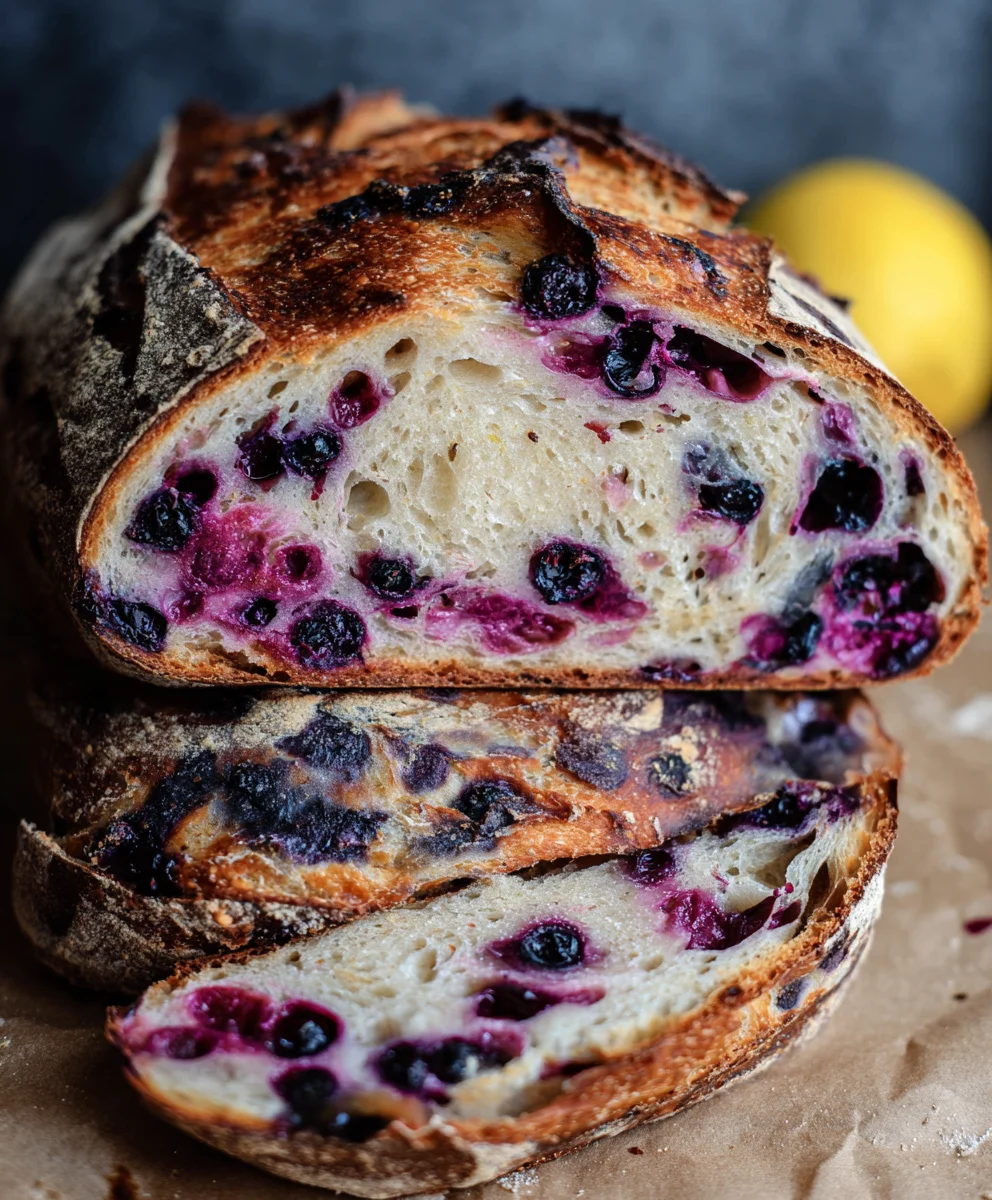
Lemon Blueberry Sourdough Bread Recipe is more than just a treat for your taste buds; it’s an experience! Imagin extracte the gentle tang of perfectly ripened sourdough, harmonizing beautifully with the burst of sweet-tart blueberries and the bright, zesty aroma of fresh lemon. This isn’t your average loaf; it’s a testament to patience, passion, and the magic that happens when simple, wholesome ingredients come together. People adore this bread because it offers a delightful textural contrast – a wonderfully chewy interior giving way to a delightfully crisp crust, all infused with those iconic summer flavors. What truly sets this Lemon Blueberry Sourdough Bread Recipe apart is its innate ability to evoke feelings of comfort and joy, making every slice a moment of pure bliss. Whether you’re a seasoned sourdough baker or just embarking on your sourdough journey, this recipe promises a truly rewarding and delicious outcome.
Ingredients:
- 50g active sourdough starter
- 350g water
- 500g bread flour
- 11g salt
- 150g fresh blueberries
- Zest of one lemon
- 8 Tablespoons butter, room temperature (113g)
- 1/2 cup fresh blueberries, mashed (75g)
- 2 Tablespoons honey (45g)
- A pinch of salt
Preparing the Dough
Mixing the Autolyse
The first step in creating this delightful Lemon Blueberry Sourdough Bread Recipe is to prepare our dough. We’ll begin extract with an autolyse, a resting period that allows the flour and water to hydrate, kickstarting gluten development without any kneading. In a large mixing bowl, combine the 350g of water and 500g of bread flour. Use your hands or a Danish dough whisk to mix until just combined and no dry flour remains. It will look shaggy and unappealing at this stage, and that’s perfectly fine. Cover the bowl with a damp kitchen towel or plastic wrap and let it rest at room temperature for 30 minutes to an hour. This hydration period is crucial for a more extensible dough later on, making it easier to handle and shape.
Incorporating the Starter and Salt
After the autolyse, it’s time to add the magic ingredient: our active sourdough starter. Gently dimple the 50g of active sourdough starter into the hydrated flour mixture. Add the 11g of salt as well. Now, it’s time to get your hands in there and truly combine everything. Using a pinching and folding motion, work the starter and salt into the dough until they are fully incorporated. This will take a few minutes of diligent mixing. The dough will start to feel smoother and more cohesive. Once everything is well mixed, cover the bowl again and let it rest for another 30 minutes. This rest period allows the sourdough startgin extractto begin its work, fermenting the dough and contributing to its unique flavor.
Developing the Dough with Folds
The Stretch and Folds Process
Now, we’ll move into the bulk fermentation stage, where we’ll develop the dough’s structure using a series of stretch and folds. Over the next 2 to 3 hours, perform a set of stretch and folds every 30 minutes. To do a stretch and fold, wet your hands slightly to prevent sticking. Grab one edge of the dough, gently stretch it upwards as far as it will go without tearing, and then fold it over the center of the dough. Rotate the bowl 90 degrees and repeat this process with the remaining three “sides” of the dough. You’ll notice the dough becoming progressively smoother, stronger, and more elastic with each set of folds. This technique builds gluten networks without intensive kneading, which is ideal for sourdough. Aim to perform approximately 4 to 6 sets of folds in total. The dough should start to feel airy and have a slight dome to it after the final set of folds.
Adding the Flavor Elements
Once the dough has undergone its stretch and folds and shows signs of fermentation, it’s time to incorporate our delicious lemon and blueberry elements. Gently add the zest of one lemon and the 150g of fresh blueberries to the dough. Instead of just mixing them in, we’ll use another set of gentle folds to distribute them evenly. Perform a few more gentle stretch and folds to tuck the blueberries and lemon zest into the dough. Be careful not to overwork the dough at this stage, as we don’t want to break down the gluten structure we’ve worked so hard to build. The goal is to evenly distribute these flavor additions without tearing the dough. The zest will perfume the dough beautifully, and the blueberries will provide bursts of tartness.
Shaping and Proofing
Pre-Shaping and Bench Rest
After the flavor additions, let the dough rest, covered, for another 20-30 minutes. This allows the dough to relax before its final shaping. Then, turn the dough out onto a lightly floured surface. Gently pre-shape the dough into a round by tucking the edges underneath itself, creating a slight tension on the surface. Avoid degassing the dough too much. Cover the pre-shaped dough with the bowl or a damp towel and let it rest for another 20-30 minutes. This bench rest is crucial for allowing the gluten to relax, making the final shaping much easier and preventing tears.
Final Shaping and Cold Proof
Now for the final shaping. Flour your hands and the surface lightly. Gently form your dough into its final shape, whether it’s a round boule or an oblong batard. Be sure to create good surface tension by gently pulling the dough towards you and tucking the seams underneath. Place the shaped dough seam-side up into a well-floured banneton or a bowl lined with a floured tea towel. Cover the banneton or bowl and place it in the refrigerator for its cold proof, typically for 12-24 hours. The cold proof develops flavor and makes the dough easier to score and handle for baking.
Baking the Bread and Finishing Touches
Baking the Sourdough
Preheat your oven with a Dutch oven or baking stone inside to 475°F (245°C) for at least 30 minutes. Carefully turn your proofed dough out onto a piece of parchment paper or directly onto your preheated baking surface. Score the top of the dough with a lame or a sharp knife to allow for expansion. Carefully place the dough into the hot Dutch oven, cover with the lid, and bake for 20 minutes. Then, remove the lid and reduce the oven temperature to 450°F (230°C) and bake for another 20-25 minutes, or until the crust is a deep golden brown and the internal temperature reaches about 205-210°F (96-99°C).
Creating the Lemon Blueberry Glaze
While the bread is cooling, prepare a simple yet decadent glaze. In a small bowl, combine the 8 tablespoons of room-temperature butter, the 1/2 cup of mashed fresh blueberries, the 2 tablespoons of honey, and a pinch of salt. Cream these ingredients together until well combined and smooth. The mashed blueberries will lend a beautiful color and subtle fruitiness to the glaze, while the honey adds a touch of sweetness, perfectly complementing the tangy lemon and blueberries in the bread. Ensure the butter is truly at room temperature so it creams smoothly.
Glazing and Enjoying
Once your Lemon Blueberry Sourdough Bread has cooled for at least an hour, it’s time to finish it. Generously spread the prepared lemon blueberry glaze over the top of the warm loaf. The warmth of the bread will help the glaze melt slightly and adhere beautifully, creating a delightful sheen and an extra layer of flavor. Allow the glaze to set for a few minutes before slicing and serving. The combination of the tangy sourdough, the bright lemon zest, the sweet-tart blueberries, and the rich, fruity glaze is truly irresistible. Enjoy this handcrafted loaf with friends and family!
Conclusion:
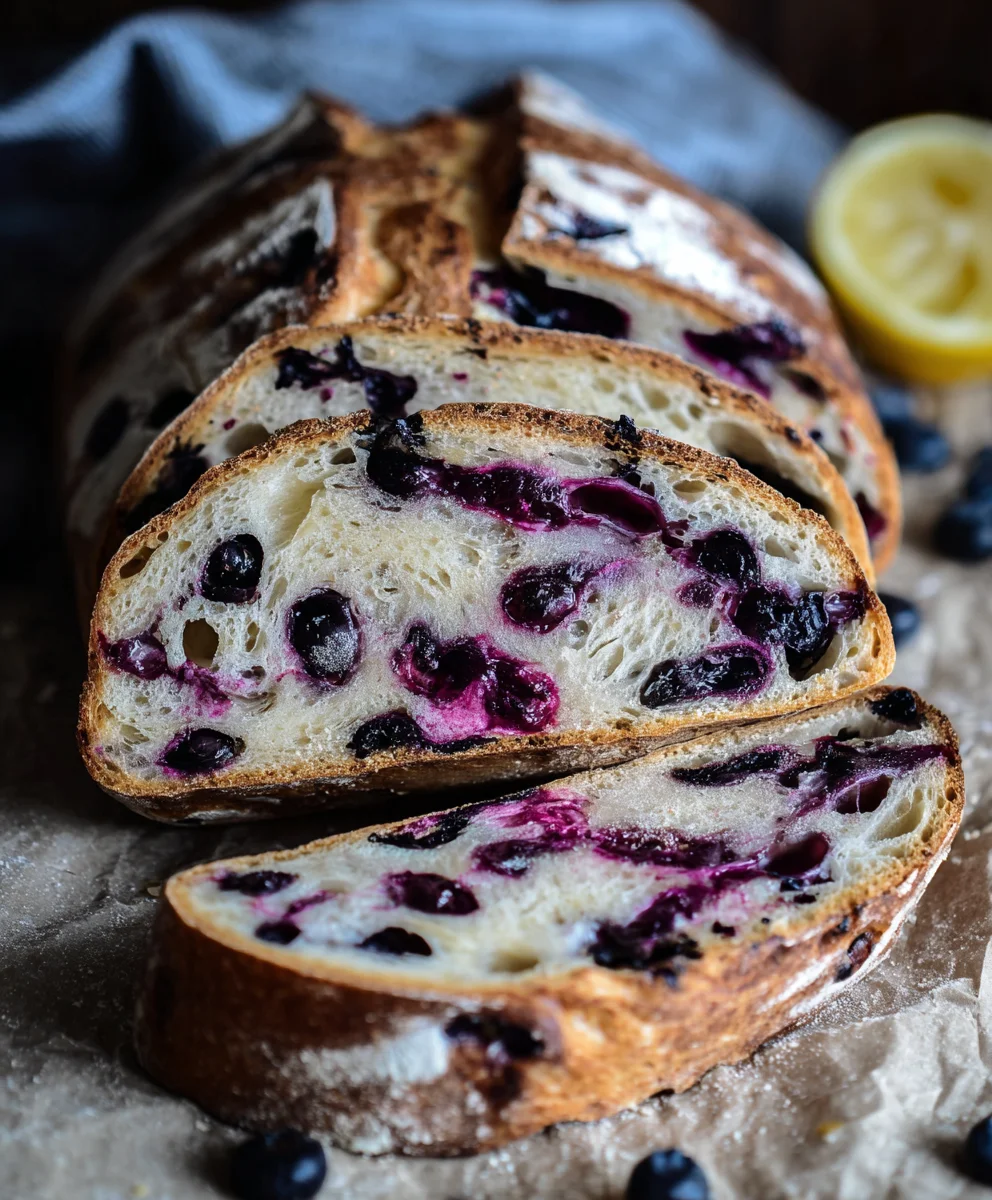
There you have it – a detailed guide to creating the most delightful Lemon Blueberry Sourdough Bread Recipe! This bread is a true testament to the magic of sourdough, offering a perfect balance of tangy chegrape juicess from the starter, bright citrus notes from the lemon zest, and bursts of juicy sweetness from the fresh blueberries. I truly hope you enjoy baking and savoring every slice of this wonderfully fragrant loaf. It’s a fantastic centerpiece for any breakfast or brunch spread, or simply a perfect accompaniment to your afternoon tea.
For serving, I love this bread toasted and generously buttered. It’s also divine with a dollop of Greek yogurt or a drizzle of honey. Feeling adventurous? Try crum extractbling it for a unique bread pudding base or using it to make sensational French toast. Don’t be afraid to experiment with variations; adding a touch of lavender or a sprinkle of chopped almonds can elevate this recipe even further. The beauty of baking is in its adaptability, and this Lemon Blueberry Sourdough Bread Recipe is a wonderful canvas for your creativity.
Frequently Asked Questions:
Q: Can I use frozen blueberries instead of fresh?
A: Yes, you absolutely can! If using frozen blueberries for your Lemon Blueberry Sourdough Bread Recipe, it’s best to toss them directly into the dough without thawing. This helps prevent them from bleeding too much color into the batter and making the bread soggy. You might need to add them a little later in the mixing process to avoid overworking the dough.
Q: My sourdough starter isn’t very active. Can I still make this recipe?
A: While an active and bubbly sourdough starter is ideal for a good rise and complex flavor in your Lemon Blueberry Sourdough Bread Recipe, you can still proceed with a less active starter. However, be prepared for a potentially denser loaf with a less pronounced tang. Ensure your starter has been fed regularly and shows some signs of life before you begin extract.
Lemon Blueberry Sourdough Bread
An easy and delicious sourdough bread recipe featuring the bright flavors of lemon zest and juicy blueberries, finished with a delightful lemon blueberry glaze.
Ingredients
-
50g active sourdough starter
-
350g water
-
500g bread flour
-
11g salt
-
150g fresh blueberries
-
Zest of one lemon
-
8 Tablespoons butter, room temperature (113g)
-
1/2 cup fresh blueberries, mashed (75g)
-
2 Tablespoons honey (45g)
-
A pinch of salt
Instructions
-
Step 1
Prepare the autolyse by combining 350g water and 500g bread flour in a large bowl. Mix until just combined, cover, and let rest for 30-60 minutes. -
Step 2
Incorporate 50g active sourdough starter and 11g salt into the dough. Mix using a pinching and folding motion until fully incorporated. Cover and let rest for another 30 minutes. -
Step 3
Perform stretch and folds every 30 minutes for 2-3 hours. Over the next 2 to 3 hours, perform a set of stretch and folds every 30 minutes. Aim for 4-6 sets in total. Gently add the zest of one lemon and 150g fresh blueberries, distributing them with a few more gentle folds. -
Step 4
After flavor additions, let the dough rest for 20-30 minutes. Gently pre-shape the dough into a round, cover, and let rest for another 20-30 minutes. Then, perform the final shaping, creating good surface tension. Place seam-side up into a floured banneton or bowl and refrigerate for a cold proof of 12-24 hours. -
Step 5
Preheat oven with a Dutch oven to 475°F (245°C). Turn proofed dough onto parchment, score, and bake in the Dutch oven for 20 minutes. Remove lid, reduce temperature to 450°F (230°C), and bake for 20-25 minutes more until golden brown. -
Step 6
While the bread cools, prepare the glaze. Cream together 8 tablespoons room temperature butter, 1/2 cup mashed blueberries, 2 tablespoons honey, and a pinch of salt until smooth. -
Step 7
Once the bread has cooled for at least an hour, generously spread the lemon blueberry glaze over the top. Allow the glaze to set before slicing and enjoying.
Important Information
Nutrition Facts (Per Serving)
It is important to consider this information as approximate and not to use it as definitive health advice.
Allergy Information
Please check ingredients for potential allergens and consult a health professional if in doubt.